/ From: / Review:144
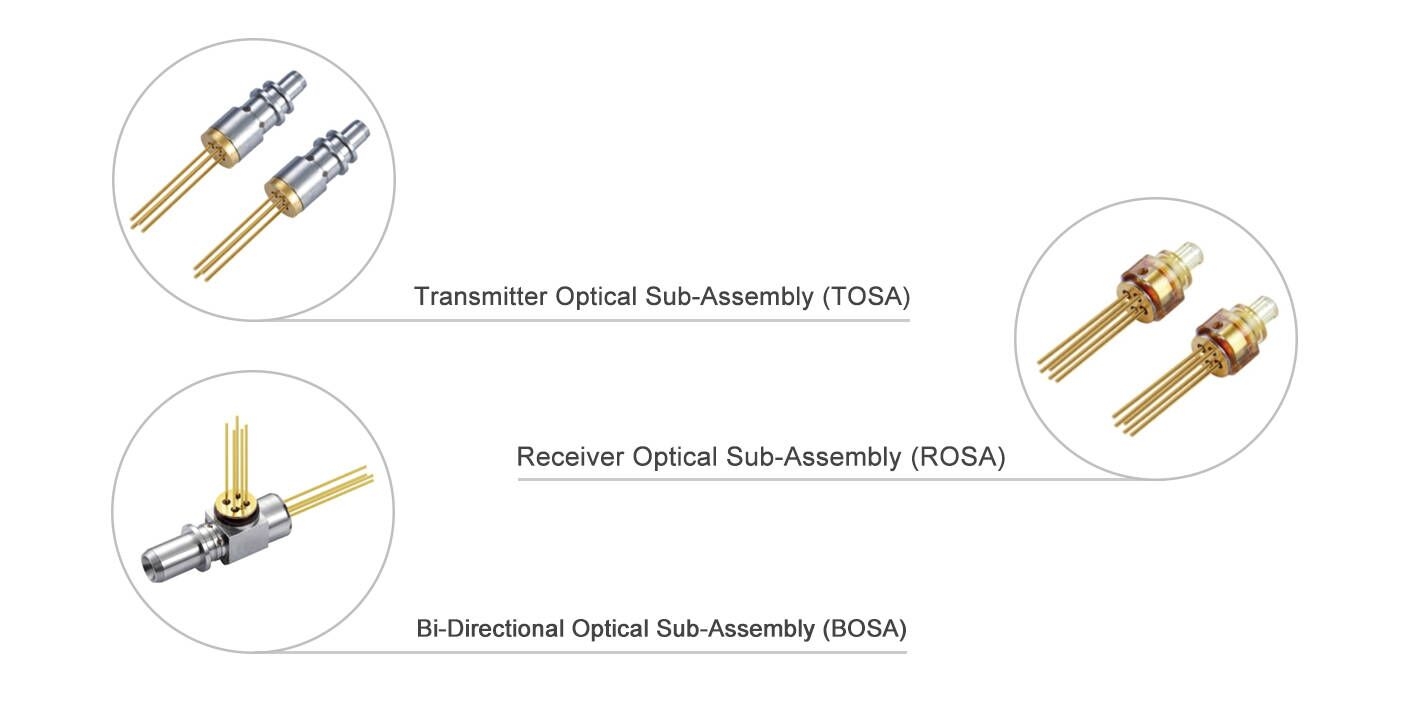
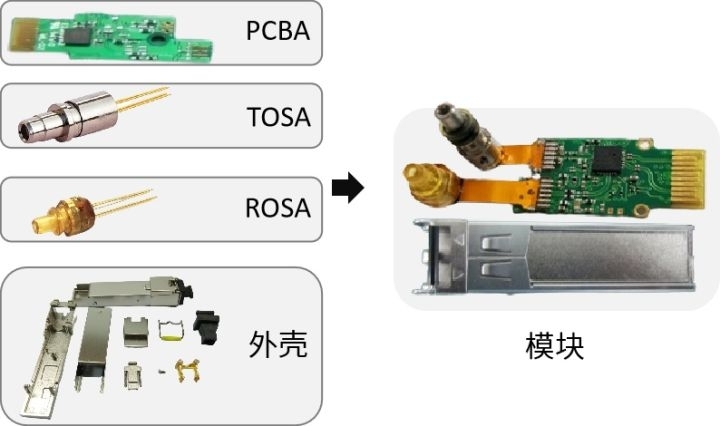
Optical transceivers function as electro-optic conversion devices, and built-in optical subassemblies constitute the core functional units that realize this conversion. These optoelectronic components are split into transmitting and receiving segments, with three mainstream types widely adopted in commercial transceivers: TOSA, ROSA and BOSA.
TOSA undertakes electro-to-optical signal conversion. Its basic structure consists of a laser chip, fiber adapter and sleeve. For long-reach transceiver models, an optical isolator and focus adjustment ring are additionally integrated: the isolator suppresses back-reflected light to protect the laser chip, while the adjustment ring calibrates optical focal length.Common laser variants include VCSEL, FP, DFB and EML, and the selected laser type directly determines the output optical power of the transceiver.
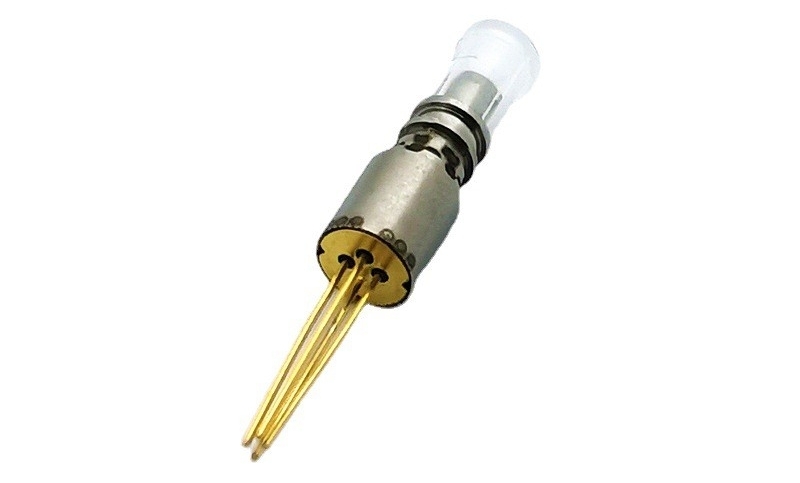
ROSA is responsible for converting incoming optical signals back into electrical signals. Its core components are an optical photodetector and fiber adapter. Two mainstream photodetector types are PIN and APD diodes; adapters are available in all-metal or plastic PE versions, whose structural design directly impacts the receiver sensitivity of the entire assembly.
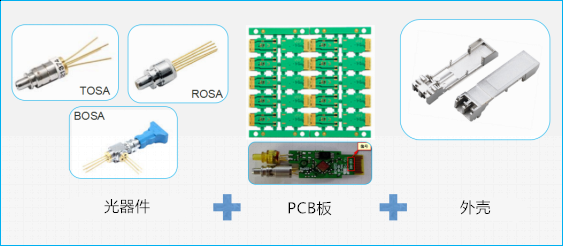
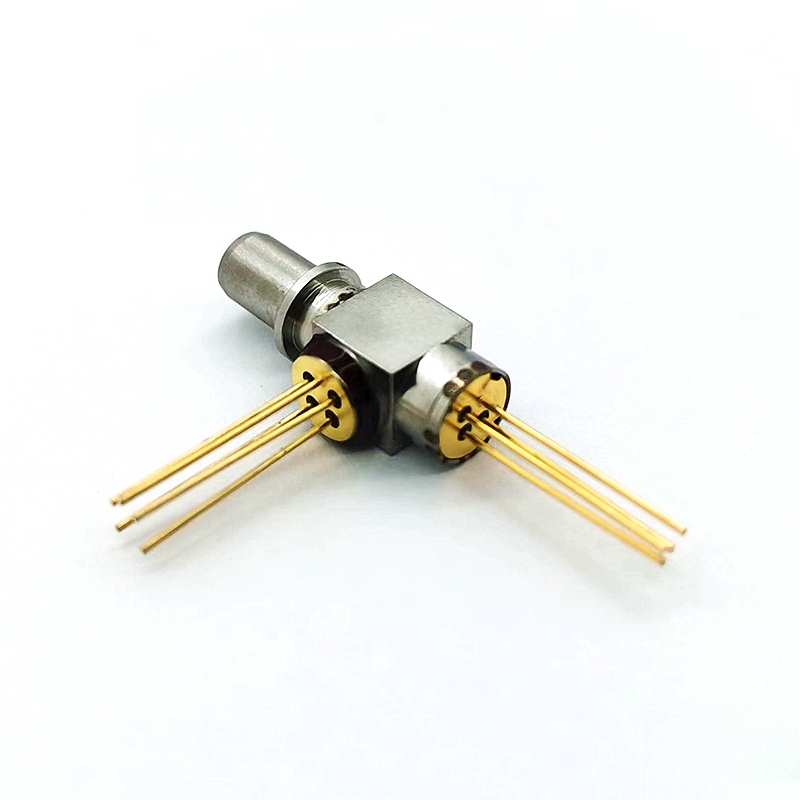
BOSA supports bidirectional electro-optic signal conversion over a single optical fiber, serving as the critical core component for single-fiber transceivers. A complete BOSA assembly integrates a transmitting laser, receiving photodetector, fiber adapter, wavelength filter, metal base, optical isolator and sleeve.
Transceivers are categorized into single-fiber and dual-fiber architectures based on fiber port count:
1)Single-fiber transceivers feature only one fiber interface and adopt BOSA as their core component. BOSA carries higher manufacturing costs compared with discrete TOSA + ROSA combinations, resulting in a higher unit price for single-fiber transceivers.
2)Dual-fiber transceivers deploy separate TOSA and ROSA subassemblies: the TOSA handles electro-optic conversion on the transmit path, while the ROSA performs opto-electronic conversion on the receive path. The lower material cost of independent TOSA and ROSA parts makes dual-fiber transceivers more cost-effective than single-fiber alternatives.