
/ From: / Review:56
Optical fiber patch cords are equipped with various types of connectors, which play a vital role in optical fiber and cable industries. Broadly speaking, fiber optic cable connectors can be categorized based on multiple criteria including application, fiber count, fiber mode, transmission mode, transmission medium, cable length, polishing type and termination method. This article elaborates on the classification and features of mainstream fiber optic connectors.
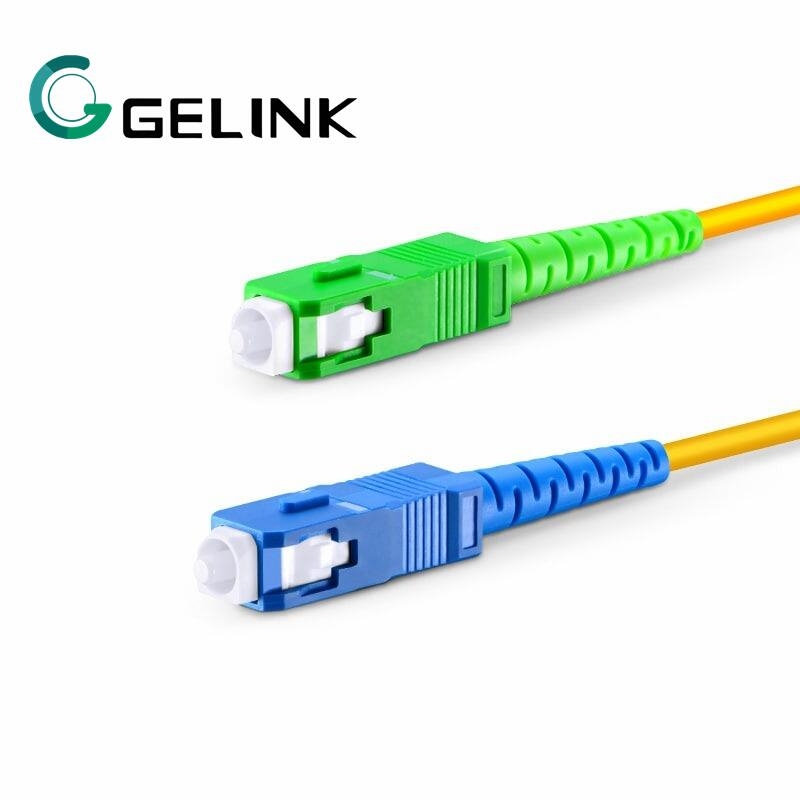
The SC (Square Connector) is one of the most widely deployed connectors in the optical industry, favored as the primary choice for numerous applications thanks to its distinctive structural advantages. Its square outline enables easy visual differentiation from other connector types. This geometric shape delivers stable positioning and anti-rotation performance to guarantee secure mating.
A core merit of SC connectors lies in its push-pull coupling mechanism. It supports rapid plugging and unplugging without auxiliary tools; users can insert or extract the connector simply by pushing or pulling the housing. This characteristic proves extremely valuable for scenarios requiring frequent reconnection, such as data center operations and routine network maintenance.
SC connectors are extensively adopted in data centers where high-speed data transmission is critical. Compatible with both single-mode and multi-mode fibers, they suit diverse transmission scenarios ranging from long-haul trunk lines to local area networks (LANs) with consistent and efficient signal interconnection. Telecommunications represents another major application field: SC connectors are commonly deployed in telephone networks, Fiber to the Home (FTTH) systems and other telecom infrastructures. Their superior performance and reliability make them ideal for transmitting voice, data and video signals over fiber networks.
LAN systems also benefit greatly from SC connectors, which are widely used in Ethernet links to facilitate high-speed data exchange between network devices. They establish firm, stable connections with minimal signal loss and support high data throughput rates.
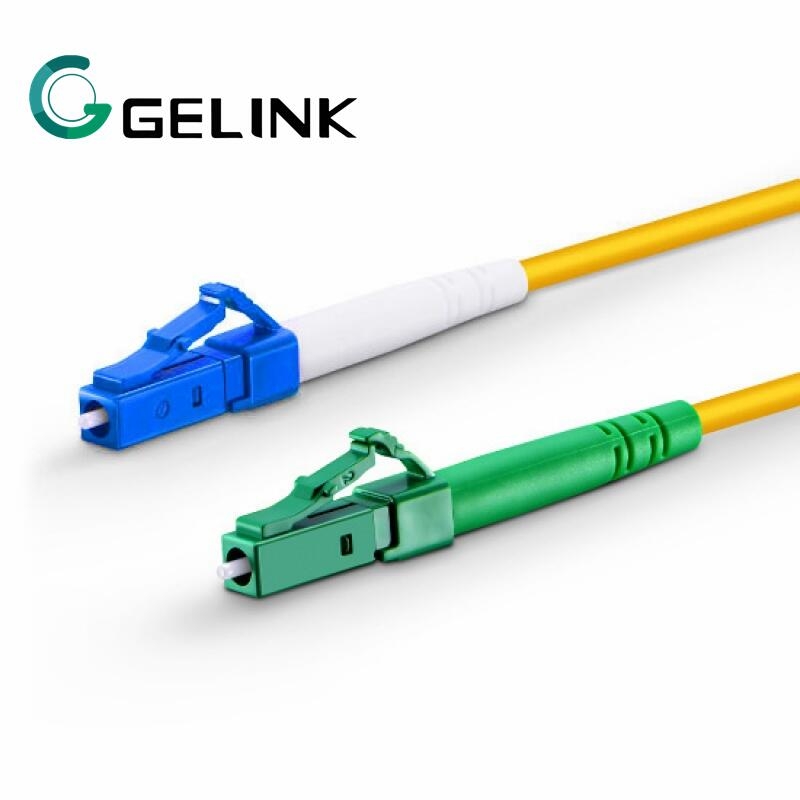
The LC connector belongs to the Small Form Factor (SFF) connector family. It features a miniature 1.25 mm ferrule, much smaller than the standard 2.5 mm ferrule used in conventional connectors. Its compact form factor has driven its massive popularity, especially in data communication systems demanding high-density port layout.
Thanks to its miniaturized size, LC connectors are perfectly suited for space-constrained high-density environments such as data centers. Compared with larger connector variants, LC designs allow network engineers to accommodate far more connection ports within the same physical footprint — a critical advantage amid surging market demand for higher bandwidth and faster data transfer speeds.
The industry trend toward streamlined cabling further boosts LC adoption. As networks continuously upgrade to higher transmission rates, the demand for efficient, dependable interconnections becomes paramount. LC connectors feature low insertion loss and high return loss, which suppress signal attenuation and maximize fiber link performance, making them ideal for high-speed applications including Gigabit Ethernet.
Another key advantage is universal compatibility with single-mode and multi-mode fibers alike. This versatility enables seamless integration into various network architectures and expands the applicable scope of LC connectors.
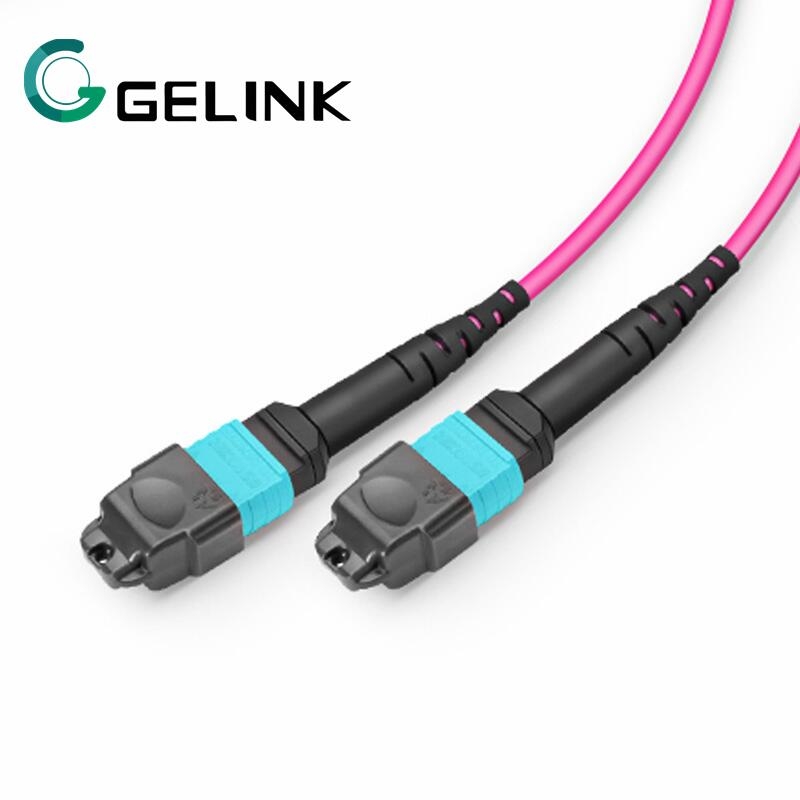
MTP/MPO connectors stand out from single-fiber connectors such as SC and LC with their unique multi-fiber integrated design. Instead of housing only one fiber, an MTP/MPO rectangular ferrule accommodates 12 to 24 optical fibers simultaneously, making it the optimal solution for high-bandwidth parallel fiber interconnections.
The larger ferrule dimension of MTP/MPO connectors enables parallel transmission of multiple data streams, perfectly matching the requirements of high-capacity networks such as 40G and 100G systems.
However, MTP/MPO connectors involve complex mating specifications including polarity and male/female gender matching. A keying structure is integrated to ensure accurate alignment and prevent misconnection. Key-up and key-down denote different key positions on the connector body, which must align with the corresponding key slots on adapters or sockets. In addition, male and female MTP/MPO variants must be correctly paired to complete valid signal connection.
Despite complicated mating rules, MTP/MPO connectors deliver prominent strengths in high-density cabling and efficient data transmission. Consolidating dozens of fibers within a single connector drastically reduces space occupation, rendering them indispensable for space-limited data center environments. Furthermore, their parallel transmission capability unlocks higher bandwidth and faster data transfer rates.
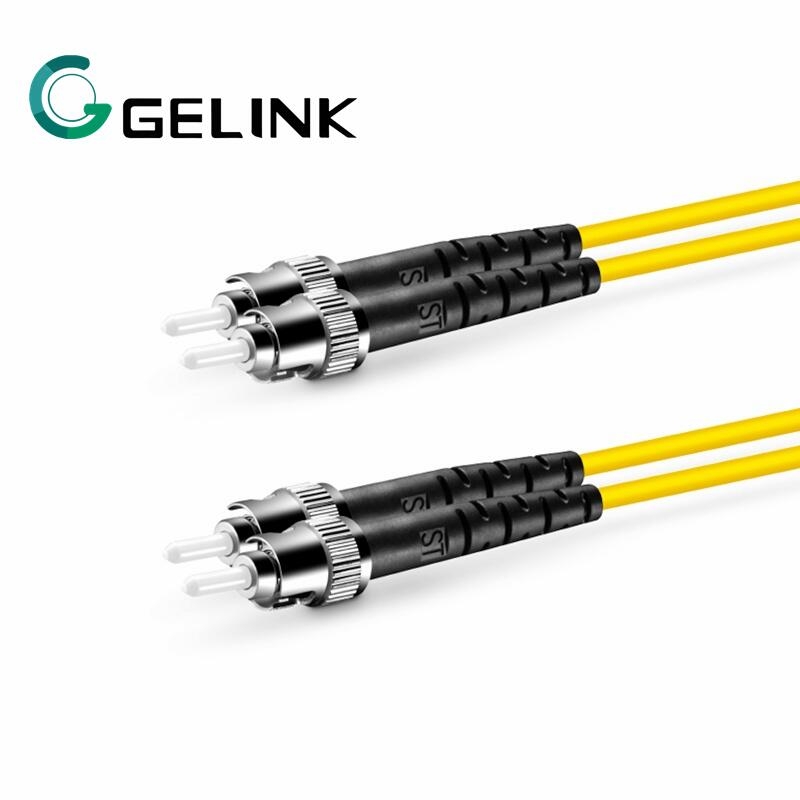
Featuring a time-tested design, the ST (Straight Tip) connector is renowned for outstanding reliability in optical fiber applications. It adopts a bayonet coupling mechanism to form robust, stable connections. The bayonet twist-lock structure works by inserting the connector and rotating it to lock the assembly in place, effectively preventing accidental disconnection.
The ceramic ferrule of ST connectors further elevates reliability by achieving precise fiber core alignment, minimizing signal loss and optimizing overall fiber link performance. The ceramic ferrule material offers superior wear and corrosion resistance, extending the long-term service life of the connector.
ST connectors are widely deployed in various industrial scenarios, including manufacturing plants, oil & gas facilities and transportation infrastructure. They excel in environments where fiber cables endure physical stress such as pulling and bending. Their rugged mechanical structure withstands external mechanical loads while maintaining stable signal connectivity.
ST connectors also support both single-mode and multi-mode fibers, delivering versatile performance applicable to long-distance telecommunications and local area networks. They are available in simplex and duplex configurations to support bidirectional communication via a single fiber or separate transmit/receive fibers.
A diverse range of fiber optic connectors exists to meet varying industry demands. Selecting the appropriate connector type requires full assessment of specific application requirements as well as factors including physical dimension, fiber compatibility and future scalability. The reliability and efficiency of communication networks largely depend on proper connector selection and standardized maintenance procedures.

