
/ From: / Review:189
In modern data centers, links between cabinets must carry ever-increasing bandwidth while surviving mechanically demanding routing paths. MTP/MPO trunk, built with a robust double jacket design, is engineered for high-density, longer cabinet-to-cabinet interconnects. This MTP/MPO cable type delivers extra mechanical protection without sacrificing fiber density or the plug-and-play deployment speed that MTP/MPO systems are known for.
What is MTP/MPO Trunk Cable?
An MTP/MPO trunk cable features a double jacket design and high fiber counts such as 48, 72 or 576 fibers. It comes in two main configurations based on connector type: the symmetric MTP/MPO to MTP/MPO trunk, which uses the same number of MTP/MPO connectors on both ends. As the following figure shows, a 48 fibers MTP/MPO-12 cable would use four MTP/MPO-12 connectors on each side. And the other one is the asymmetric MTP/MPO to LC uniboot trunk, where one MTP/MPO connector fans out into multiple LC connectors for device aggregation like the following 48 fibers 4x MTP/MPO-12 to 24x LC uniboot trunk cables. Both serve as reliable, permanent backbone solutions in structured cabling systems between cabinets or across rooms.
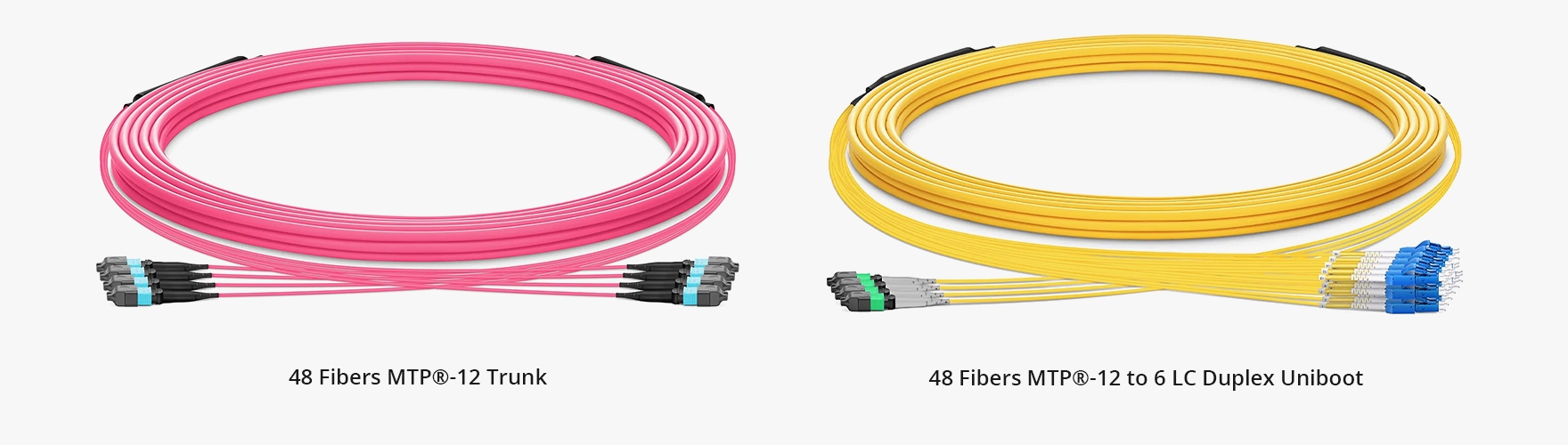
Figure 1: MTP/MPO trunk cable with MTP/MPO connectors or LC uniboot
While it resembles a standard MTP/MPO to MTP/MPO jumper in its connector type on both ends, the MTP/MPO to MTP/MPO trunk cable is fundamentally different. The primary distinction lies in its heavy-duty, double-jacket structure. In function, MTP/MPO trunk serves as the "trunk" or permanent link, reliably interconnecting panels or enclosures across different cabinets or for ceiling routing. Its reinforced jacket construction is significantly more rugged, designed to endure more stress and greater fiber protection from backbone installations.
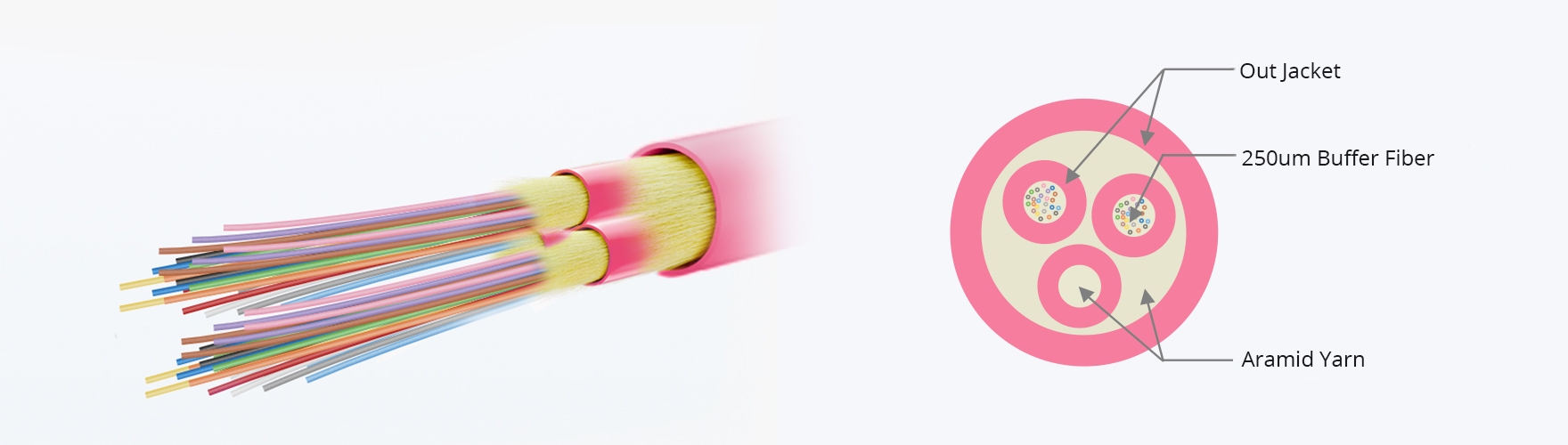
Figure 2: Double jacket sheath of MTP/MPO trunk
Why Choose MTP/MPO Trunk?
Modern AI-driven data center cabling faces two pressures: rising bandwidth demands and harsher physical routing. On one hand, the rise of AI applications demands higher bandwidth (100/400G and beyond) and connection density. On the other hand, inter-cabinet pathways run through cable trays, conduits, or connect different areas of a building. These routes involve multiple bends and expose cables to constant tensile stress and friction over their lifespan.
Consequently, adopting double-jacketed MTP/MPO trunk cables with stronger mechanical protection is the ideal solution. They consolidate dozens or hundreds of fibers into a single factory-terminated assembly (like 144 fibers MTP/MPO-12 to MTP/MPO-12 trunk), providing high-density connectivity and supporting parallel and multi-lane optics for high aggregate throughput. Compared with many individual MTP/MPO-12 jumper cables, moving many fibers in one trunk greatly reduces bundle bulk, tidies racks and improves rack airflow. Additionally, like all MTP/MPO cable products, these cables adopt MT-based US Conec MTP/MPO connectors and bend insensitive fibers for cross-cabinet stable transmission in AI applications.
Where to Use MTP/MPO Trunk?
As mentioned above, leveraging its rugged double-jacket structure, MTP/MPO trunk cable acts as the "permanent link" within a structured cabling system. It is ideally deployed for connecting equipment across different cabinets or separate rooms. For instance, linking a distribution switch in one rack to a patch panel in another.
As the following diagram shows, 2x 48 fibers MTP/MPO-12 trunks run between the cabinets as the backbone. Specifically, one MTP/MPO-12 trunk cable runs from an MTP/MPO cassette in the switch cabinet on the left to an MTP/MPO cassette in the cross-connect cabinet in the middle, and continues to the switch cabinet on the right via the second MTP/MPO-12 trunk cable. This setup allows the two 40G switches to communicate with each other through the trunk link. The MTP/MPO cables and cassettes in the cross-connect cabinet provide a centralized patching and management point.
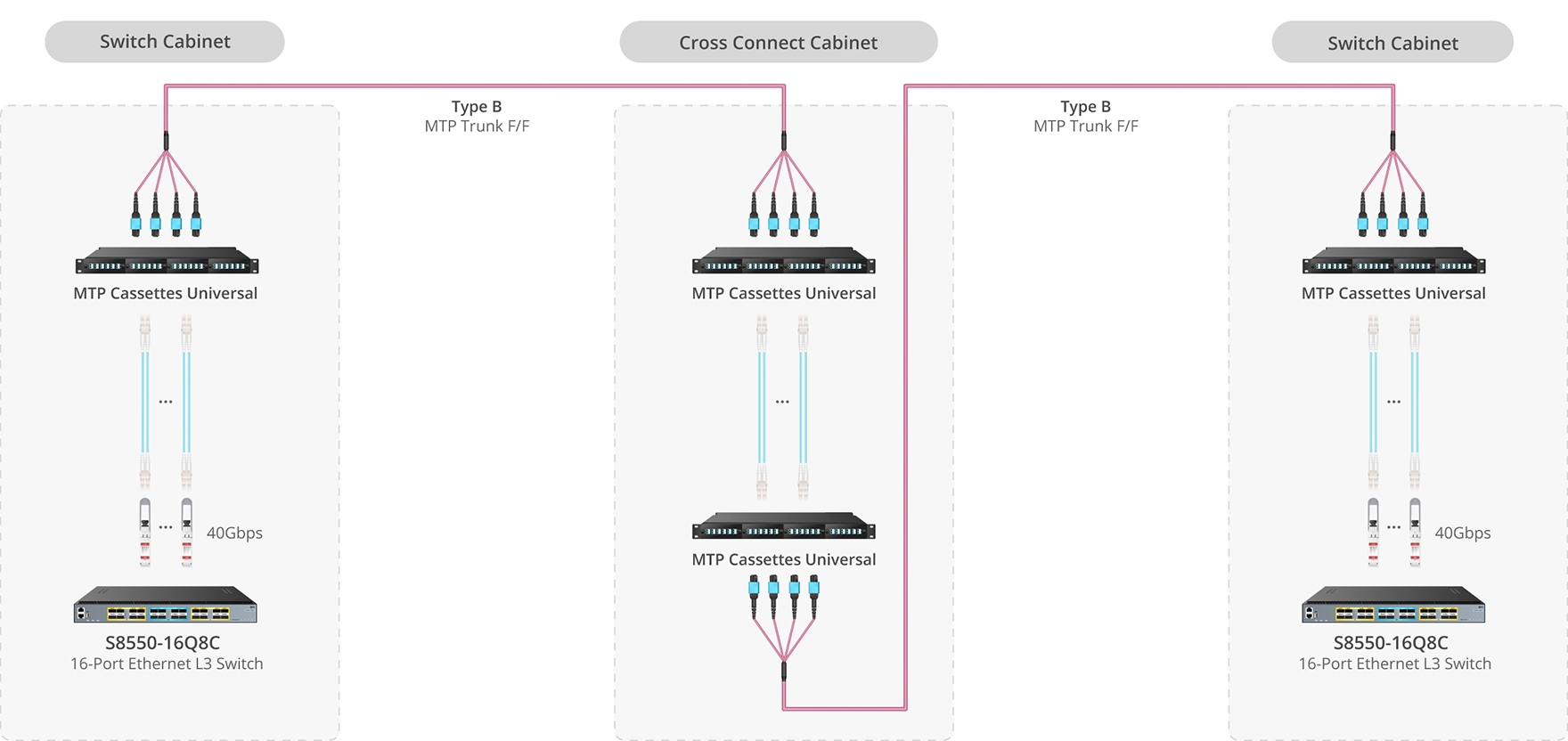
Figure 3: Duplex Cross Connect via MTP trunk and LC cable
To meet diverse customer needs, we offer a variety of MTP/MPO trunk cables. Users can select the appropriate MTP/MPO cable type based on their specific environmental requirements, fiber count, and connector interface.
|
|
MTP/MPO to MTP/MPO Trunk |
MTP/MPO to LC Uniboot |
||
|
Connector type |
Base-12 |
Base-8 |
Base-12 |
Base-8 |
|
Fiber mode |
OS2/OM4/OM3 |
OS2/OM4/OM3 |
OS2/OM4 |
|
|
Glass fiber |
OS2: G657.A1 OM4/OM3: Bend insensitive fiber |
OS2: G657.A1 OM4/OM3: Bend insensitive fiber |
||
|
Fiber counts |
12/24/36/48/72/ 96/144/192/216/ 288/432/576 |
8/16/24/32/48/72/ 96/144/192/288 |
12/24/36/48/ 72/96/144 |
8/16/24/32/48/ 72/96/144 |
|
Cable structure |
Double jacket |
Double jacket |
||
|
Long-term tensile load |
200N |
200N |
200N |
200N |
|
Short-term tensile load |
660N |
600N |
660N |
600N |

